

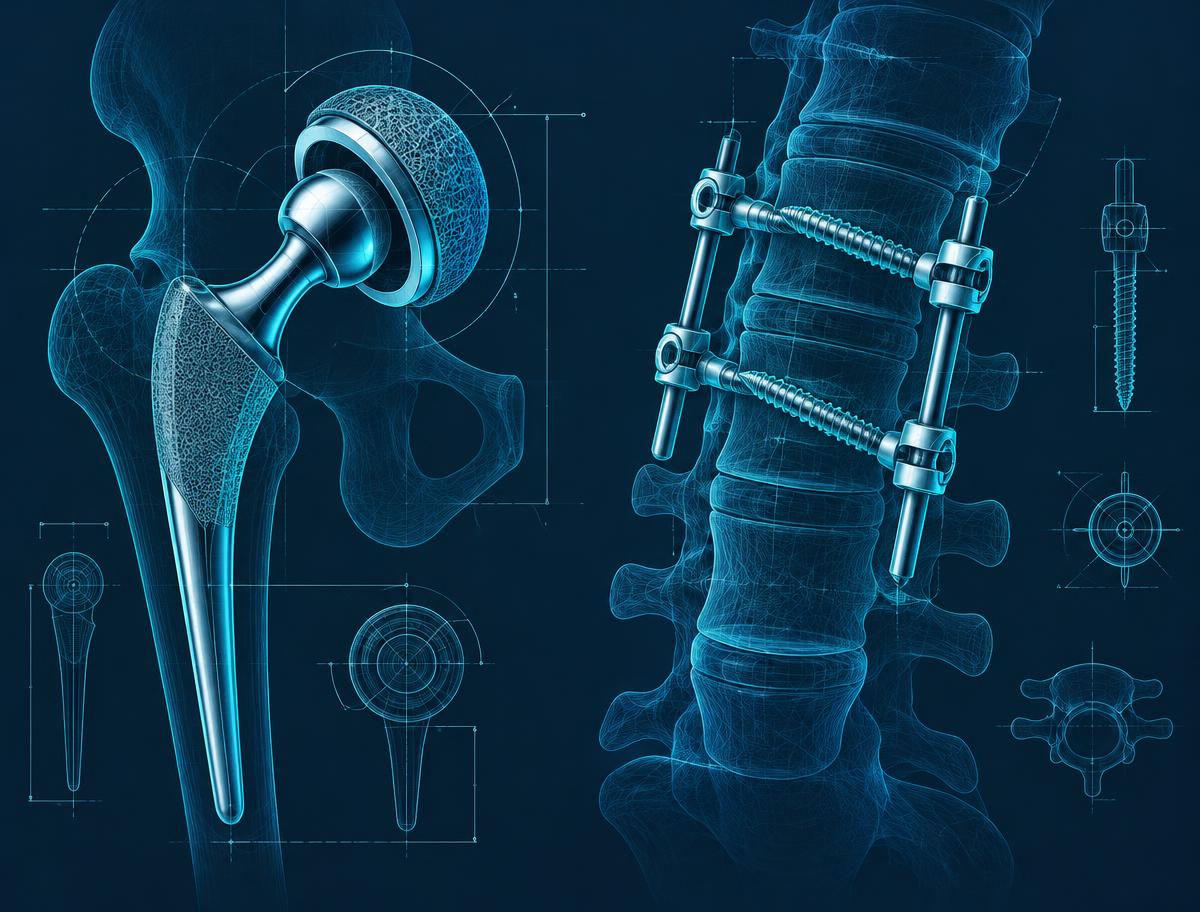
Class III / PMA
High-Risk Implantable
Evidence planning, risk management and premarket approval strategy for high-risk implants.
Orthopedic device pathwayCAHIR MedTech builds AI workspaces that help MedTech teams move their ideas from initial concepts to working prototypes more predictably and drive strategic growth faster with actionable and defensible market intelligence.
Most MedTech teams face two disconnected questions: where to launch and how to get regulatory-ready. CAHIR's AI products answer both in connected workspaces.
MedTech regulatory triage and medical device market intelligence across 25+ markets. Multi-dimensional global scoring, payment forecasting, custom weights, and evidence-grounded answers for global FDA pathways and EU MDR/UKCA routes.
Explore MedTech CompassAI medical device documentation and MedTech QMS software that structures device development with automated design history files and keeps every record audit-ready.
Explore MedTech CopilotOpen-source regulatory triage. Describe your device and get its likely FDA class, candidate product codes, probable pathway (510(k), De Novo, PMA or exempt), real 510(k) predicate candidates with K-numbers, and high-level EU MDR and UKCA/MHRA considerations — in seconds.
Announcements, safety alerts and reimbursement news from the agencies that decide your route to market — collected automatically and filterable by date.
Analysis on FDA pathways, EU MDR and UKCA routes, AI-enabled devices and where medical device teams should launch next.
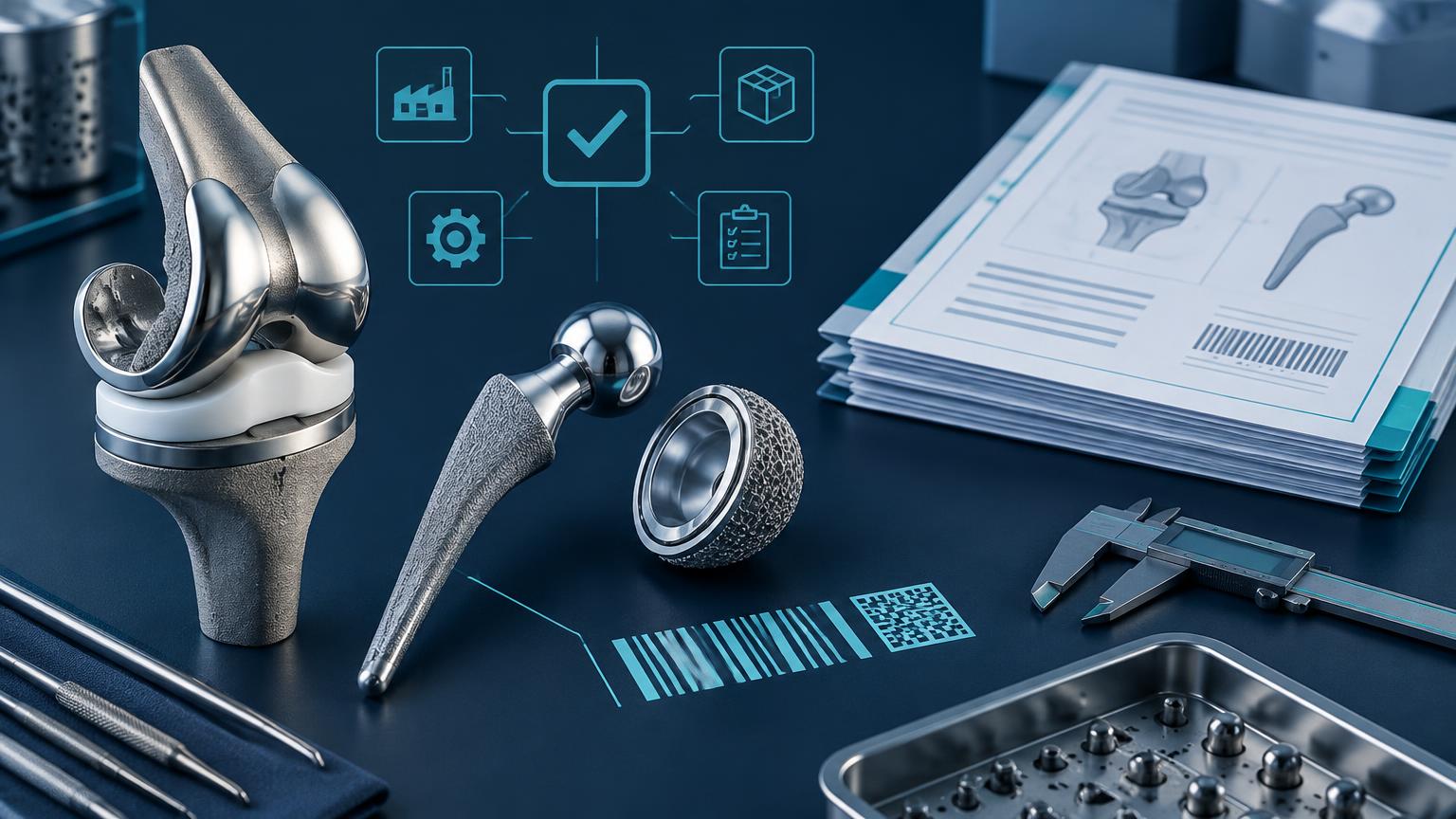
What FDA QMSR changed in 2026 for implantable devices: ISO 13485 alignment, design controls, supplier oversight, traceability and inspection readiness after February 2.
Read article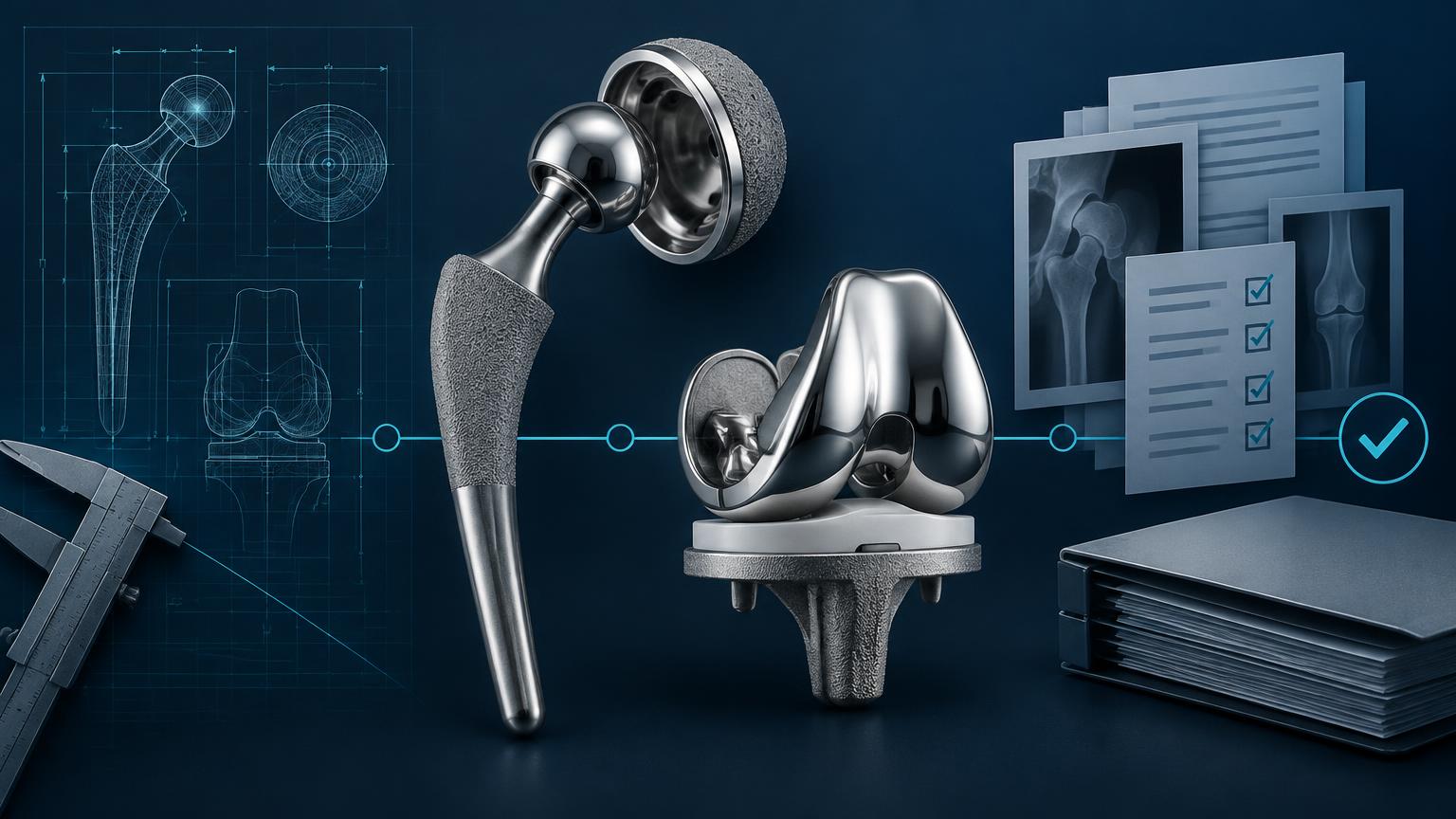
A practical orthopedic implant development guide covering FDA 510(k) strategy, predicate selection, bench testing, biocompatibility, sterility and clearance-to-adoption planning.
Read article
September brought consequential FDA robotics and PMA submission updates, a major Medicare TAVR coverage decision, evolving AI oversight, revised EU IVDR classification guidance and signals of UK medical-device reform.
Read articleFrom implantable devices to digital health, connect regulatory development with market access through MedTech Copilot and MedTech Compass.
Class III / PMA
Evidence planning, risk management and premarket approval strategy for high-risk implants.
Orthopedic device pathway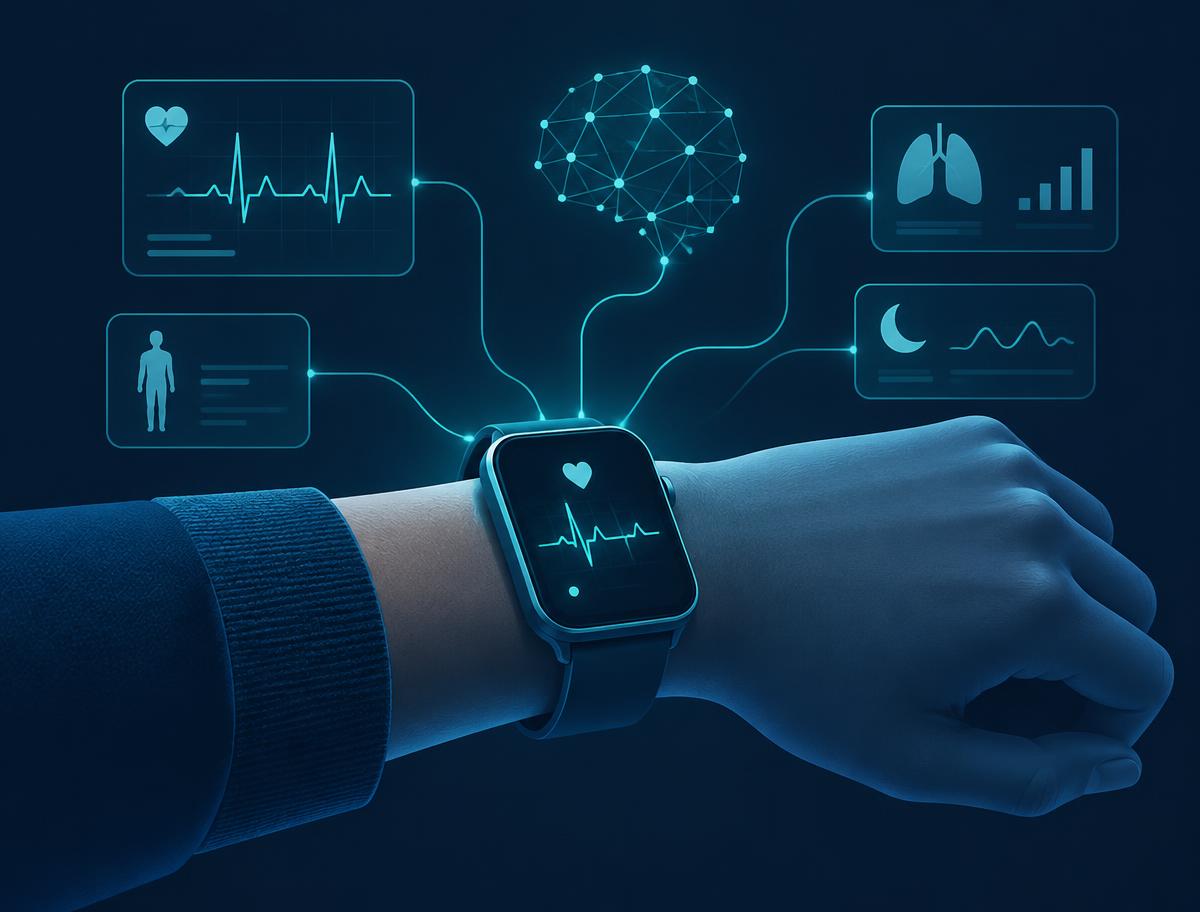
Class II / De Novo
Software classification, clinical validation and pathways for connected and AI-enabled devices.

510(k) / De Novo
Predicate assessment, analytical performance and clinical evidence for diagnostic technologies.
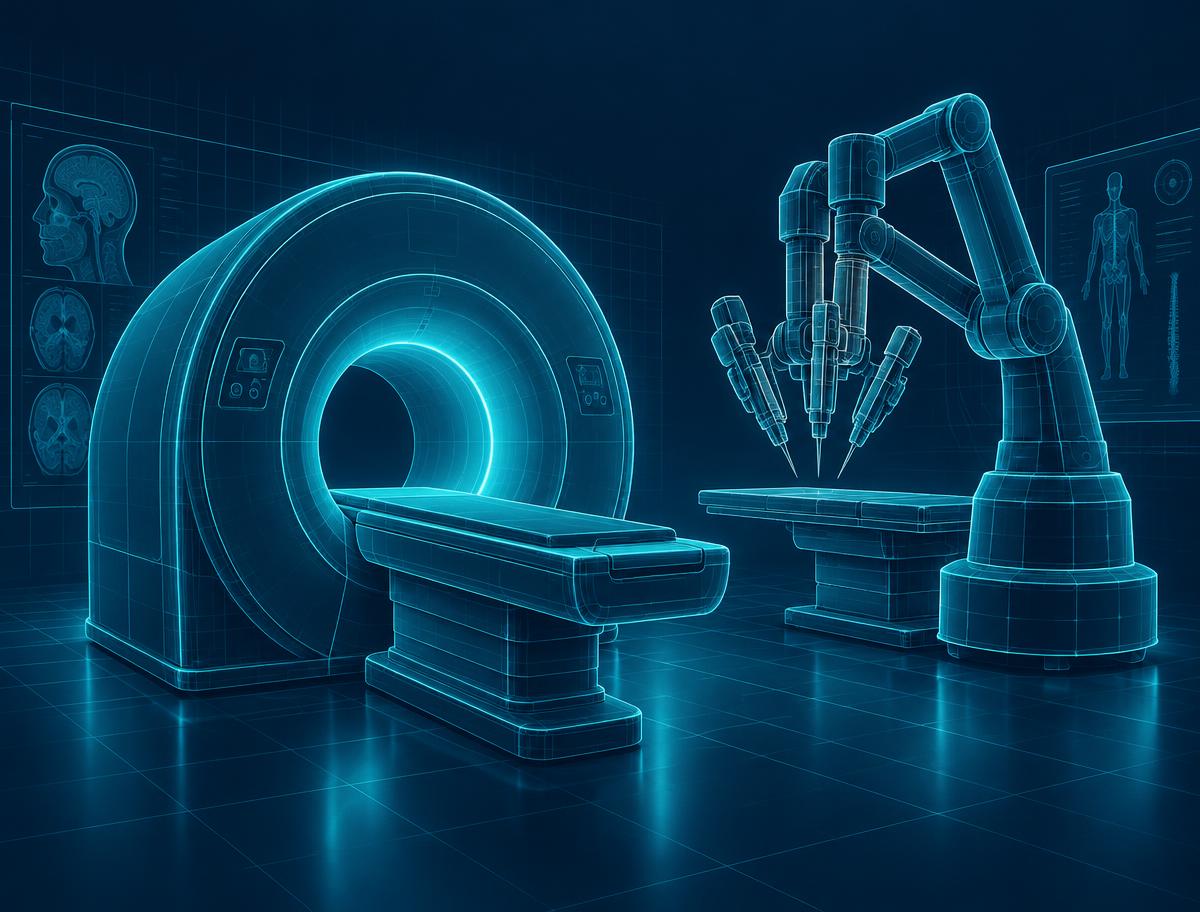
Imaging / Robotics
Regulatory strategy, hospital purchasing and total-cost-of-ownership insights for major systems.

High Volume
Device-specific pathways, procurement economics and adoption planning for high-volume products.
Categories illustrate areas of support, not fixed classifications. The applicable FDA class and pathway depend on intended use, risk and available predicates; De Novo generally establishes Class I or II classification.
The development engine: structure device requirements, design history and quality documentation around the route to regulatory readiness.
The intelligence engine: evaluate regulatory pathways, reimbursement, competitive positioning and market opportunity to prioritize adoption and growth.
Frame regulatory and market-access questions around your device’s intended use, risk profile and target markets.
Bring regulatory publications, reimbursement policy and peer-reviewed evidence into the same decision context.
Connect answers to relevant source material so evidence, assumptions and supporting references can be reviewed.
Evaluate response quality and consistency, with checks designed to surface uncertainty and unstable results.
Combine structured analysis and advanced modeling for reliable decision support, with traceable inputs and outputs you can scrutinize.
Built for informed decisions you can trust and verify. Outputs support expert review; they do not replace regulatory, clinical or reimbursement advice.
MedTech Compass is built with layered controls across infrastructure, access, and payments — so your regulatory strategy and market intelligence stay yours.
Hosted on cloud infrastructure that maintains SOC 2 Type II and ISO 27001:2022 certifications.
Row Level Security scopes every record to your organization. No cross-tenant access, by policy and by design.
Payments processed by Stripe (PCI-DSS Level 1). Card and bank details never touch CAHIR servers.