
Medical device market intelligence and global regulatory pathways
Practical analysis for MedTech regulatory triage: global FDA pathways such as 510(k), De Novo and PMA, EU MDR and UKCA routes, AI-enabled devices, quality systems, and the medical device market intelligence behind deciding where to launch next.
Browse the full archiveIn-depth guides
Longer references on medical device market intelligence, global FDA pathways and MedTech regulatory triage.
- Predetermined Change Control Plans (PCCP) for AI/ML devices
- 21 CFR Part 11 and electronic records compliance
- Competitive intelligence for medical devices
- Medical device market intelligence
- Medical device market access guide
- Global FDA pathways: 510(k), De Novo and PMA
- Regulatory intelligence software for MedTech
- EU MDR and UKCA compliance routes
Follow MedTech Insights
New articles on FDA 510(k) and De Novo pathways, CE Mark and EU MDR, and device reimbursement — sent to your inbox as they publish.
Filter articles
83 of 83 articles

Beyond Change Control: Toward Adaptive SaMD Lifecycle Management
How SaMD manufacturers can move beyond traditional change control: anticipate software evolution, plan evidence proportionate to risk, use PCCPs where they fit, and align engineering, quality, clinical and regulatory teams.
Read article
Digital Pathology Software QMSR Checklist: SaMD Lifecycle, Validation, Cybersecurity, and Change Control
Build a connected digital pathology SaMD evidence chain across intended use, lifecycle controls, validation, cybersecurity and software-change decisions, with an editable release-readiness checklist.
Read article
QMSR for IVD Manufacturers: Inspection Readiness, Lot Traceability, and Supplier Controls
Prepare connected IVD evidence for FDA inspection: scope, lot genealogy, labeling controls, supplier oversight and complaint-to-lot investigations, with an editable register.
Read article
FDA QMSR Design Controls for Radiology AI: From Dataset to Clinical Validation
Build inspection-ready radiology AI evidence: dataset provenance, leakage prevention, reference standards, subgroup performance and clinical validation—with an editable matrix.
Read article
QMSR for AI/ML Medical Devices: Design Controls, Software Validation, and Change Management
A practical Imaging AI QMSR guide to design inputs, software V&V, traceable release evidence and controlled AI/ML changes—with an editable evidence register.
Read article
ISO 13485 vs. QMSR: A Practical FDA Gap Analysis
Identify FDA-specific gaps beyond ISO 13485 certification using a requirement-to-evidence crosswalk, risk-based closure checklist and downloadable assessment worksheet.
Read article
CP 7382.850: The Six QMS Areas and How to Prepare for FDA Inspection
Prepare for FDA’s risk-based QMSR inspections using the six official QMS areas, practical evidence trails and an editable inspection evidence index.
Read article
QMSR 2026 Complete Guide: Practical, Inspection-Ready Implementation
A practical QMSR implementation guide connecting quality, development, risk, verification and validation to controlled evidence—with a readiness table and editable tracker.
Read article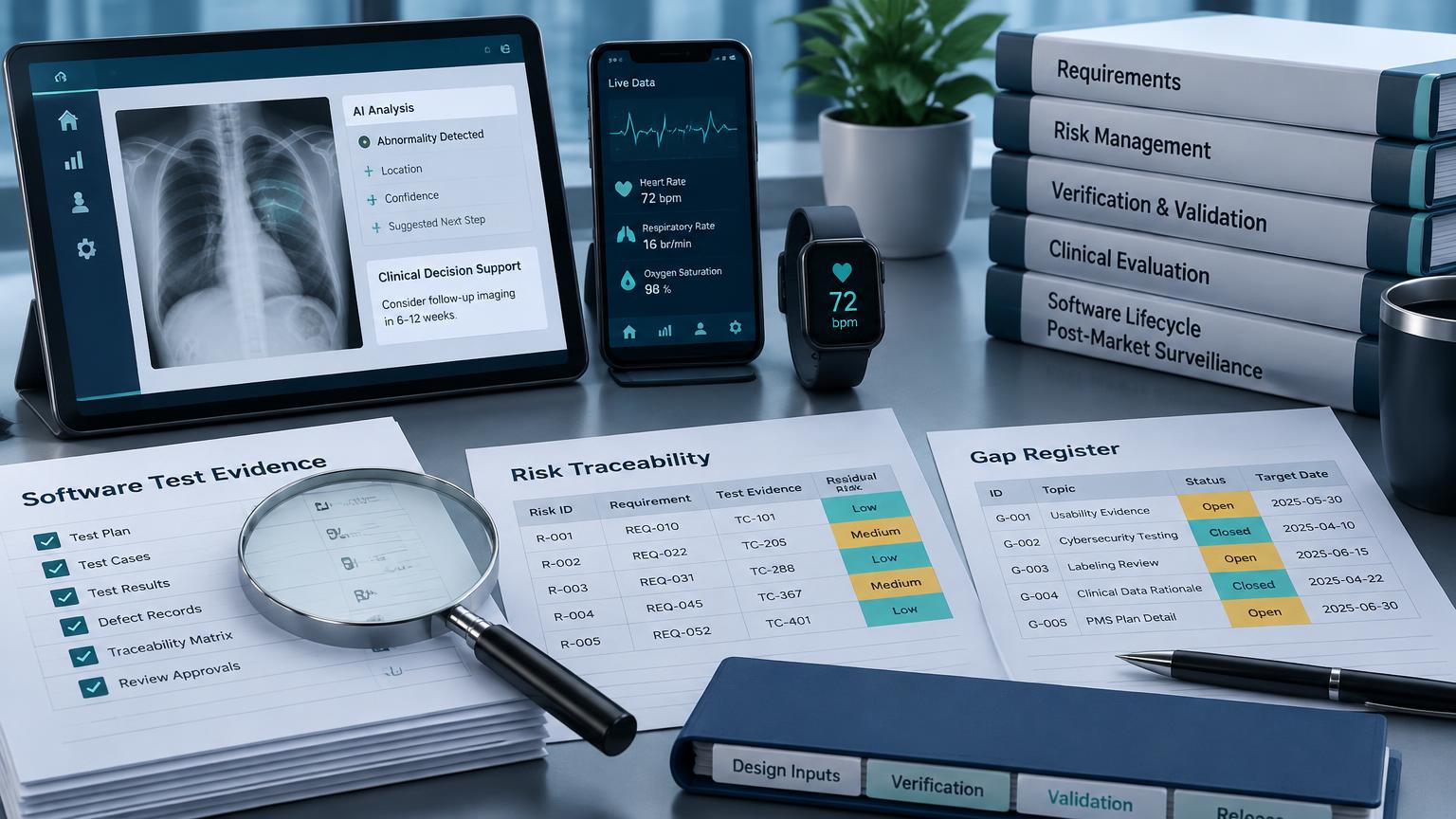
QMSR Form 483 Prevention: The Quality-System Gaps to Address Before Inspection
Reduce avoidable pre-inspection quality-system gaps with risk-based evidence checks, SaMD examples and an editable QMSR gap register.
Read article
CP 7382.850 vs. QSIT: How FDA Device Inspections Changed in 2026
Understand FDA’s shift from QSIT to CP 7382.850 and prepare linked quality-system evidence under QMSR, with a practical inspection crosswalk.
Read article
QMSR Transition Plan: A 90-Day Roadmap for Medical Device Manufacturers
A practical 90-day QMSR implementation roadmap with accountable owners, risk-based priorities and linked evidence for SaMD and medical-device manufacturers.
Read article
FDA QMSR for Implantable Devices: What Changed in 2026
What FDA QMSR changed in 2026 for implantable devices: ISO 13485 alignment, design controls, supplier oversight, traceability and inspection readiness after February 2.
Read article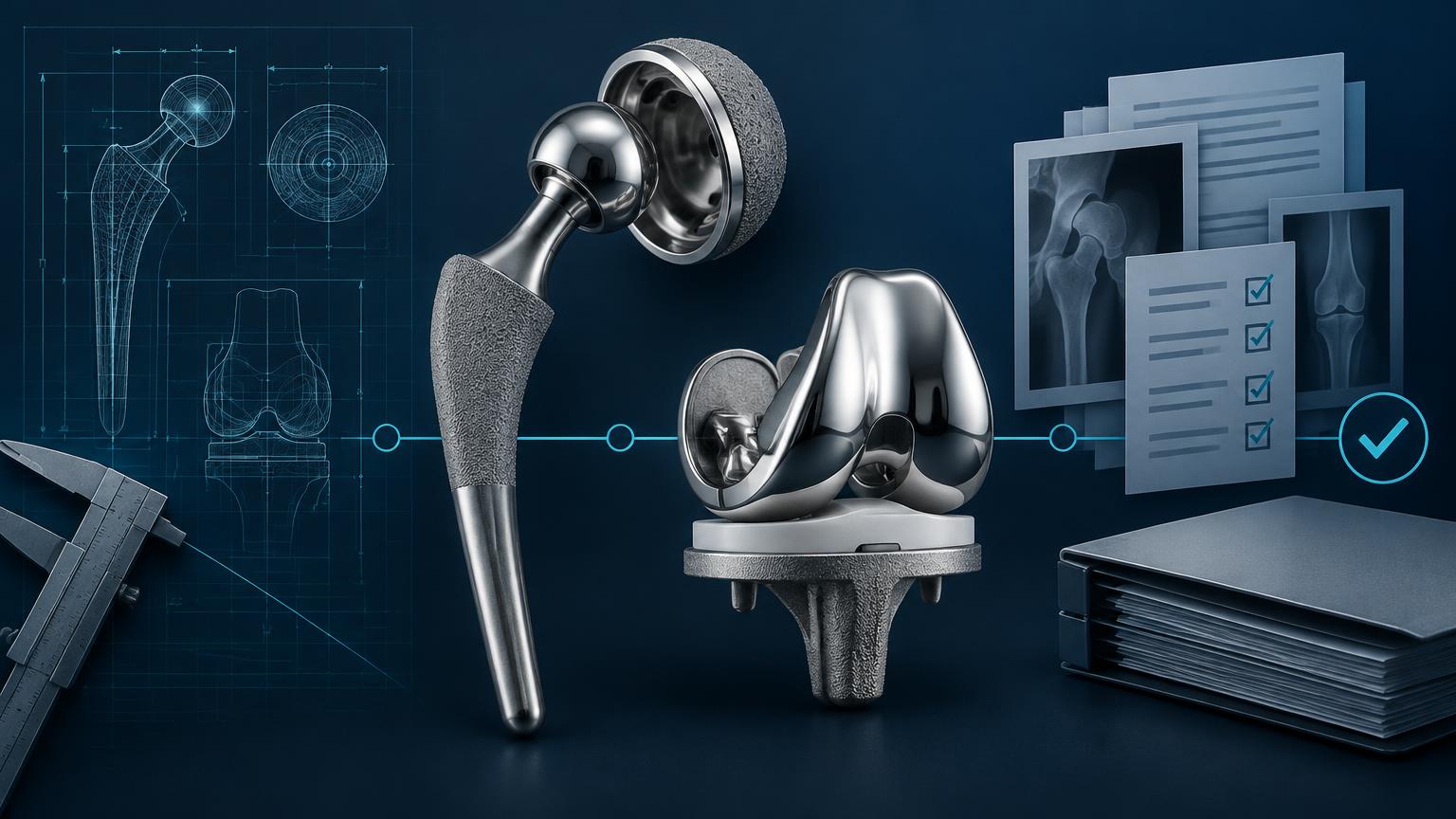
Orthopedic Implant Development: From Concept to FDA 510(k) Clearance
A practical orthopedic implant development guide covering FDA 510(k) strategy, predicate selection, bench testing, biocompatibility, sterility and clearance-to-adoption planning.
Read article
MedTech Industry Pulse: September 2026 Regulatory and Digital Health Roundup
September brought consequential FDA robotics and PMA submission updates, a major Medicare TAVR coverage decision, evolving AI oversight, revised EU IVDR classification guidance and signals of UK medical-device reform.
Read article
Why Clearance Is Easy and Payment Is Hard: The 2026 State of Medtech Market Access
FDA authorization opens the U.S. market, but coding, coverage, payment and hospital adoption determine whether a medical device can build a sustainable business. Here is what changed in 2026.
Read article
Why EHR Integration Is the #1 Reason AI Devices Stall After VAC Approval
Value analysis approval does not make an AI-enabled medical device deployable. EHR workflow, interoperability, cybersecurity and monitoring often become the critical path to clinical use.
Read article
How Hospital Financial Pressure in 2026 Is Changing VAC Approval Timelines
Hospital value analysis committees are asking for earlier evidence, clearer budget impact and a credible implementation plan as financial pressure changes medical device approval decisions.
Read article
The Health Tech Investment Act (S.1399): What It Would Change for Digital Health Reimbursement
The Health Tech Investment Act (S.1399) would create a defined Medicare reimbursement pathway for AI medical devices, with mandatory New Technology APC assignment, manufacturer cost-based rates and a five-year payment guarantee. Here is what it would change for digital health reimbursement.
Read article
CMS Renames "SaaS" to "Software as a Medical Service" (SaMS): What the CY2027 OPPS Rule Means for You
Medicare is building its first dedicated payment structure for algorithm-driven clinical software. Here is what the CY2027 OPPS proposed rule changes, what stays unresolved, and what device and software teams should do before the final rule lands.
Read article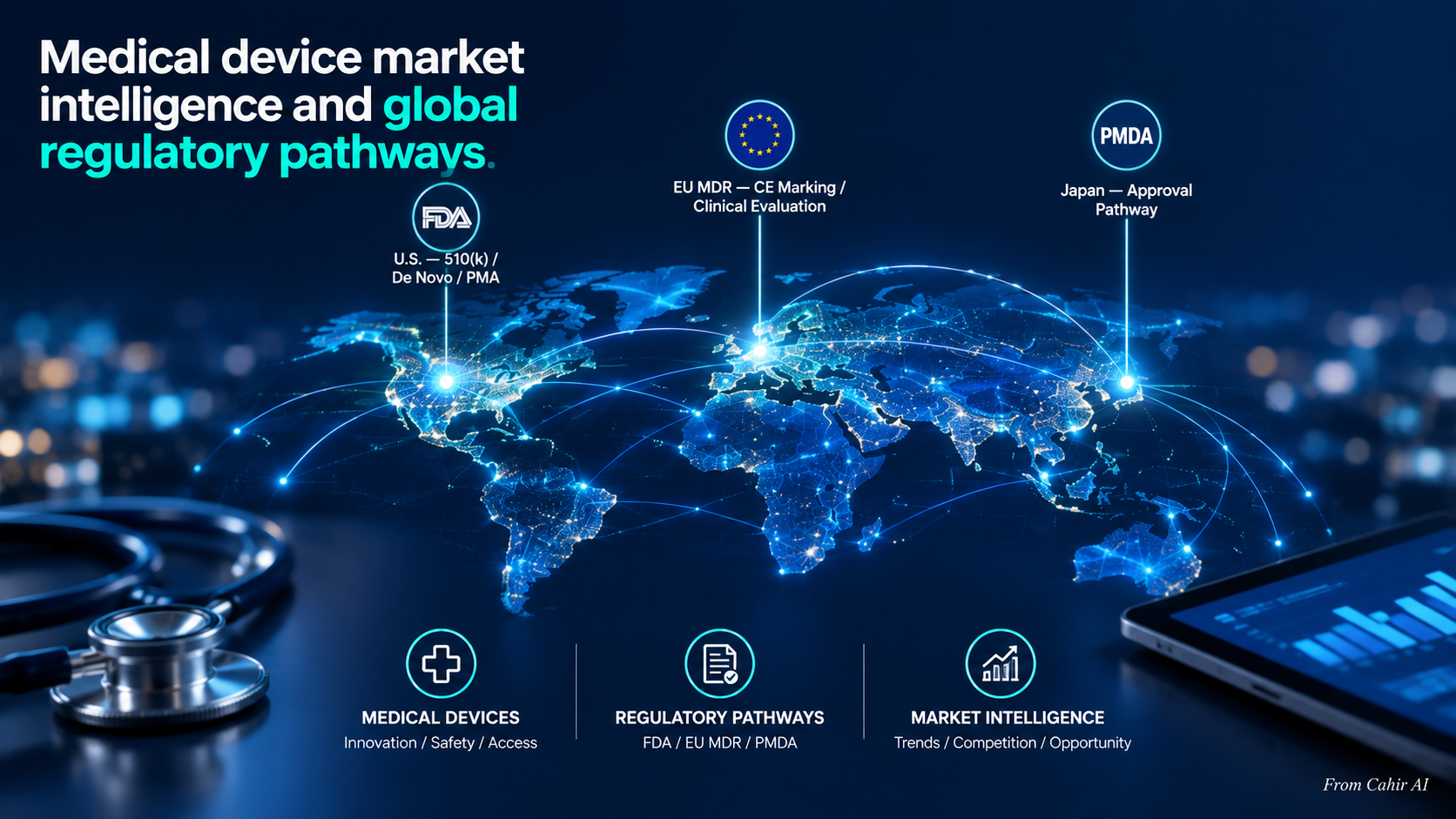
Predetermined Change Control Plans (PCCP) for AI/ML Devices: What FDA Approved in 2025–2026
How FDA's predetermined change control plan framework works for AI/ML medical devices, what the final guidance requires, what has actually been authorized in 2025–2026, and the limits every submission team should plan around.
Read article
International Reimbursement Pathways: Germany's DiGA, France's PECAN/LATM, and Where the US Still Lags
Germany and France built named reimbursement routes for digital medical devices. The US still handles software payment case by case. A practical comparison of DiGA, PECAN/LATM and the emerging US pathways, and what it means for market sequencing.
Read articleDesign history file requirements: what belongs in a medical device DHF
What a design history file must contain under 21 CFR 820.30 and ISO 13485, how the DHF relates to the DMR and DHR, and how to keep it audit-ready.
Read articleEU MDR classification rules: how to classify a medical device under Annex VIII
A practical walkthrough of EU MDR classification: the Annex VIII rules, Class I to III, Rule 11 for software, and what each class means for conformity assessment.
Read articleSoftware as a Medical Device: FDA, EU MDR and UKCA routes for SaMD teams
How SaMD is classified and regulated across the US, EU and UK — FDA pathways for software, EU MDR Rule 11, and UKCA and MHRA considerations for digital health teams.
Read article
"Forever Codes" and RPM Billing Scrutiny: What Peterson Health's Criticism Means for Your Pricing Model
Independent analysts are calling remote monitoring codes "forever codes" because billing continues long after the clinical benefit stops. Here is what that scrutiny means for RPM pricing and contracting.
Read article
Regulatory Clearance Is No Longer Your Biggest Barrier — Reimbursement Is
For software as a medical device, FDA clearance has become the predictable half of the journey. Getting paid is the half that decides whether the product survives.
Read article
Why Digital Therapeutics Are Failing Independent HTA Reviews — and How to Avoid It
Independent assessors keep concluding that digital therapeutics show smaller, shorter-lived effects than their marketing claims. Here is what the reviews actually find, and how to build a dossier that survives one.
Read article
What Is HEOR and Why Every Medtech Startup Needs It Before Launch
Health economics and outcomes research is what turns a cleared device into a funded one. Here is what HEOR covers, when to start it, and what payers and HTA bodies actually look for.
Read articleMedTech Industry Pulse — August 2026 Roundup
The month's regulatory signals, clearances and policy movement across the medical device landscape.
Read on cahir.aiRobotic Phlebotomy Market Readiness: What 14 Countries Have in Common After Aletta's FDA Clearance
Fourteen countries just cleared the bar for robotic phlebotomy — what their shared conditions say about where to launch next.
Read on cahir.ai
PAMA 2026: What the Latest Delay of Lab Test Payment Cuts Means for Diagnostics Companies
Congress froze Medicare clinical lab rates again for 2026 and moved the reporting period. The data labs filed by 31 July 2026 now sets rates for 2027 to 2029. What diagnostics companies should do before January.
Read article510(k) predicate search: how to find and defend a predicate device
A practical method for 510(k) predicate search: what makes a valid predicate, how to use K-numbers and product codes, and how to document substantial equivalence.
Read article
DRG vs. CPT vs. HCPCS: A Medtech Founder's Guide to Billing Code Types
CPT, HCPCS and DRG are not interchangeable. Each answers a different question, is maintained by a different body, and determines who gets paid for your device. A plain guide for medtech founders.
Read article
Why Only 16 AI Procedures Have CPT Codes Out of 500+ Cleared Devices
FDA has authorised well over 1,000 AI-enabled devices, but only a handful of AI procedures carry their own CPT code — and most of those codes pay nothing. Here is why the gap exists and what to do about it.
Read articleFDA device classification: how to find your device class and product code
How FDA device classification works, how to find the right product code, and what Class I, II and III mean for your premarket pathway.
Read articleUKCA marking for medical devices: MHRA registration and the route to Great Britain
What UKCA marking requires for medical devices, how MHRA registration and UK Responsible Person duties work, and how the Great Britain route differs from EU MDR.
Read articleMedTech Industry Pulse — July 2026 Roundup
July 2026 roundup: a SaMD and clinical decision support device focus issue.
Read on cahir.aiMedical Device Approvals and Clearances Report
Strategic trends to watch and priorities for the next quarter, drawn from recent approval and clearance data.
Read on cahir.aiFDA premarket pathways explained: 510(k), De Novo, PMA and exempt
How to choose between 510(k), De Novo, PMA and exemption — what each FDA premarket pathway requires, how long it takes, and how to tell which one fits your device.
Read article
Software as a Medical Device (SaMD): FDA Classification and Pathway Guide
How FDA decides whether your software is a regulated device, how SaMD gets classified by risk, which premarket pathway applies, and what documentation a software submission actually needs.
Read articleDigital Health and Medical Device: What is the Difference?
FDA's digital health device lists and why the September 2026 update matters for teams drawing the line between wellness software and a regulated device.
Read on cahir.ai
FDA Q-Submission Program: How to Get Pre-Submission Feedback Before You File
A Pre-Sub is the cheapest way to find out whether FDA agrees with your pathway, predicate and test plan. Here is what the Q-Submission Program covers, what to ask, and how to run the meeting so the feedback is usable.
Read article
De Novo Classification Fees in 2026: What Small Businesses Actually Pay
FDA De Novo user fees in FY2026 run $173,782 at the standard rate and $43,446 for qualified small businesses. Here is what the small business discount is worth, how to qualify, and the costs the fee schedule does not show.
Read article
What Is a Predicate Device — and What Happens When You Don't Have One?
How predicate devices and the substantial equivalence test actually work, how to search the 510(k) database properly, the traps that sink submissions, and your options when no predicate exists.
Read article
510(k) vs. PMA: Cost, Timeline, and Evidence Requirements Compared
What the 510(k) and PMA routes really cost in user fees, review time, evidence and post-market obligations — and how to build the difference into a funding plan.
Read article
How to Choose Between 510(k), De Novo, and PMA for Your Medical Device
A practical decision sequence for picking the right FDA premarket pathway — classification, predicate search, risk controls and novelty — and what each route costs you in evidence and time.
Read articleMedTech Industry Pulse — June 2026 Roundup
The June 2026 regulatory and commercial roundup for medical device teams.
Read on cahir.aiCahir MedTech Launches MedCompass MVP to Help MedTech Teams Move Faster Toward Commercialization
Announcing the MedCompass MVP — market intelligence and regulatory triage built to shorten the path to commercialization.
Read on cahir.ai
Complaint Handling, MDR, CAPA, and Risk Management Under QMSR
Connect complaint intake, MDR reportability, CAPA and risk-file updates into one inspection-ready evidence chain, applicable across device categories, with an editable linkage register.
Read article
Design Transfer Under QMSR: From Development Outputs to Controlled Production
Run design transfer as a controlled process: complete production specifications, validated processes, supplier readiness, training and a record-level rehearsal, with an editable readiness checklist.
Read article
QMSR Design Controls: A Practical Guide for Medical Device Teams
Build inspection-ready design controls under QMSR: input-output traceability, decision-grade design reviews, verification and validation evidence, and risk linkage, with an editable planner.
Read articleFrom Reactive to Proactive: Bridging the Postmarket Surveillance Design Gap in MedTech
A closed-loop quality framework for post-market surveillance that feeds real-world signals back into design.
Read on cahir.aiMedTech Industry Pulse — May 2026 Roundup
The May 2026 regulatory and market roundup for medical device teams.
Read on cahir.aiGuidance for AI-Enabled Medical Devices
Key insights and takeaways for 510(k) study design and data expectations for AI-enabled devices.
Read on cahir.aiChoosing the Right FDA Product Code
Why the product code you pick shapes your submission strategy and your development plan.
Read on cahir.ai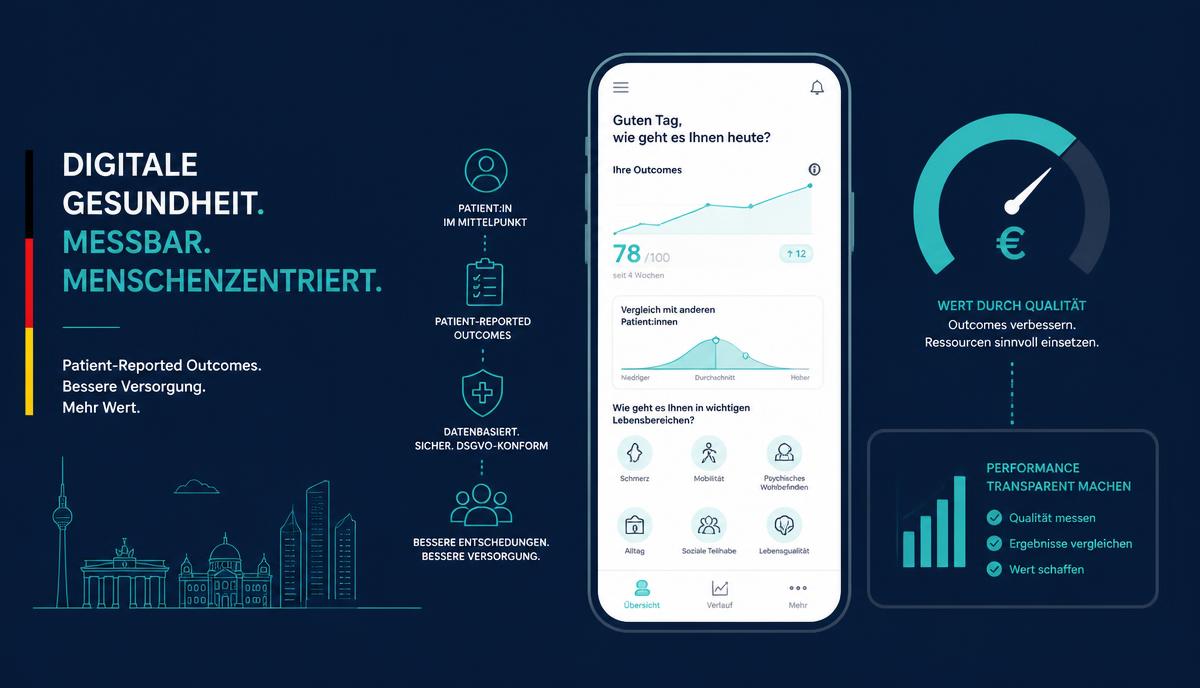
Germany's DiGA Reform 2026: Outcomes-Based Pricing and What It Means for Digital Health Exporters
Germany is tying part of every DiGA reimbursement price to measured outcomes from 2026. Here is what the AbEM performance measurement requires, what the 20 percent rule does to pricing, and how exporters should respond.
Read article
Medicare Coverage Timeline After FDA Clearance: Why the Average Wait Is 5.7 Years
Peer-reviewed research puts the median wait from FDA authorisation to nominal Medicare coverage at 5.7 years. Here is what drives the delay, where the time actually goes, and how to shorten it.
Read article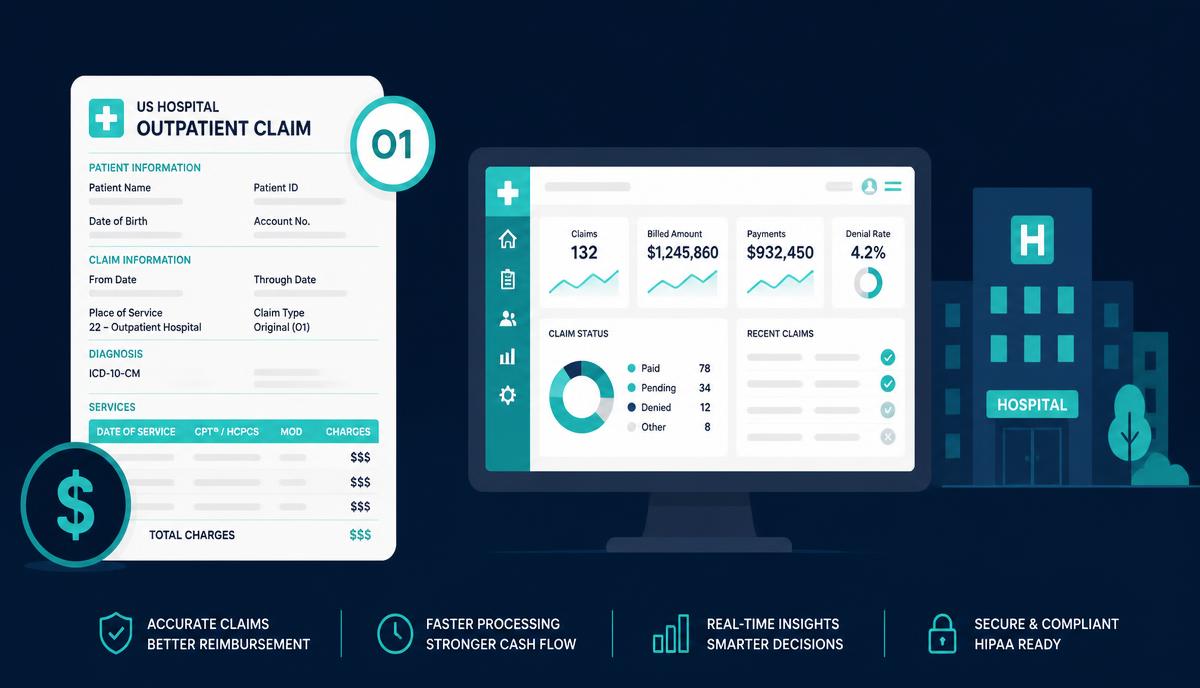
What Is OPPS Status Indicator O1 and Why It Matters for Software Reimbursement
A plain-language guide to the OPPS payment status indicator O1, how status indicators drive hospital outpatient payment, and what the new software category means for SaMD and AI device reimbursement strategy.
Read articleAI/ML Trends in MedTech
Navigating the surge in AI/ML-enabled device approvals and what it means for new entrants.
Read on cahir.ai
FDA 510(k) Third-Party Review Program: Is It Right for Your Device?
The Third Party Review Program lets an FDA-recognised organisation review your 510(k) first. Here is who is eligible, what it costs, where it saves time, and when it is the wrong choice.
Read article
Budget Impact Models 101: Proving Your Device Saves the Health System Money
A budget impact model is the one economic document almost every payer and hospital committee asks for. Here is what goes into one, how it differs from cost-effectiveness analysis, and how to build a first version in a spreadsheet.
Read article
Total Cost of Ownership vs. Unit Price: Why Hospitals Evaluate Devices Differently Than You Think
Hospitals do not buy on list price. They buy on what the device costs them across a year of use. Here is how value analysis committees build that number, and how to price and pitch against it.
Read article
Why 331 AI-Enabled Devices Got FDA Clearance in 2025 — and Most Still Aren't Getting Paid
AI device clearances keep climbing while reimbursement barely moves. Here is why the two curves diverge, what payers ask that FDA does not, and what to do about it before your clearance letter arrives.
Read article
HEOR Evidence Requirements by Device Category: SaMD vs. Implantables vs. Diagnostics
Payers and HTA bodies do not apply one evidence standard to medical devices. Here is what the bar actually looks like for software as a medical device, implantables and diagnostics, and how to plan for the one you are in.
Read article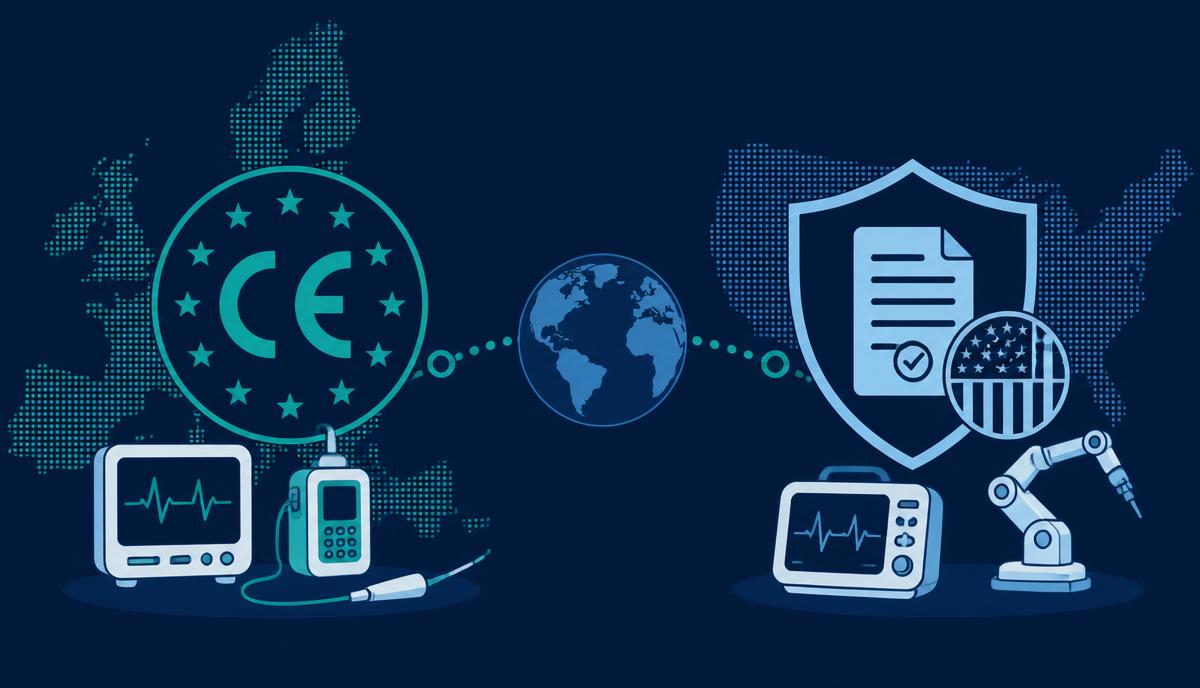
CE Mark vs. FDA Clearance: Key Differences for MedTech Market Entry Strategy
CE marking and FDA clearance are not two versions of the same approval. Here is how the evidence, timelines, oversight and market-entry sequencing actually differ, and how to decide which one to pursue first.
Read articleSaMD, CDS Software, and AI-Enabled Medical Devices
What innovators need to know before going to market with software as a medical device.
Read on cahir.aiMedTech Industry Pulse — April 2026 Roundup
The April 2026 regulatory and commercial roundup for medical device teams.
Read on cahir.aiMedTech Weekly Insights
FDA, CDRH and global regulatory signals shaping the market.
Read on cahir.ai
The Minimum Clinically Important Difference (MCID): What It Is and Why Payers Cite It
A statistically significant result is not automatically a meaningful one. The MCID is the threshold payers use to separate the two, and it decides more coverage arguments than most medtech teams realise.
Read article
Cost-Effectiveness Analysis vs. Budget Impact Model: Which Do Payers Want?
Cost-effectiveness analysis and budget impact models answer different questions for different buyers. Here is which one your payer is actually asking for, and what each model has to contain to be taken seriously.
Read article
How to Build a Real-World Evidence (RWE) Strategy for a Digital Health Product
Real-world evidence is now the currency of coverage decisions for digital health. Here is how to design an RWE strategy that regulators accept, payers cite, and your own team can actually run.
Read articleA Strategic Guide to Medical Device Submissions and the Q-Sub Advantage
Choosing the right submission pathway and engaging the FDA early through the Q-Submission program.
Read on cahir.aiIntegrating Intellectual Property Strategy into Medical Device Development and Commercialization
How IP strategy should be built into device development and commercialization rather than bolted on.
Read on cahir.aiThe Human-in-the-Loop Illusion
Why checking the box on AI safety is not enough for regulated medical software.
Read on cahir.aiMedTech Industry Pulse — March 2026 Roundup
The March 2026 regulatory and market roundup for medical device teams.
Read on cahir.aiHow the FDA's Evolving AI Frameworks Are Reshaping MedTech
What the FDA's shifting AI guidance means for device developers and their evidence plans.
Read on cahir.aiISO 13485:2016 and Certification
ISO 13485:2016 defines the requirements for a quality management system — here is what certification involves.
Read on cahir.aiFDA's New Quality Management System Regulation
What medical device manufacturers need to know about the new QMS regulation.
Read on cahir.aiWhy MedTech Companies Are Rethinking How They Operate
Building outcome-oriented organizations for sustainable growth in medical technology.
Read on cahir.aiHealth Equity
Health equity and population health outcomes — and what they mean for device access.
Read on cahir.aiA 510(k) (Premarket Notification)
A 510(k) premarket notification is a regulatory dossier submitted to the FDA — here is how it works.
Read on cahir.aiAI Safety and Trust Frameworks
A ranking and strategic analysis of the leading AI safety and trust frameworks.
Read on cahir.aiRAG and LLMs
Understanding retrieval-augmented generation systems and how they enhance large language models.
Read on cahir.ai