AI Device Evaluation Framework
Adopt AI medical devices confidently. Govern them responsibly.
5
Advisory phases, readiness to post-deployment
40/35/25
Clinical, technical & operational weighting
100
Point Procurement Readiness Score
- Protect capital
- Reduce risk
- Improve AI investment success

Why vendor demos aren't enough
Without a structured framework, AI procurement can expose organizations to clinical harm, regulatory risk, cybersecurity gaps, hidden costs, workflow disruption and expensive post-deployment failure.
Reduce risk
Screen out weak-fit solutions before capital is committed.
Improve decisions
Align clinical, IT, compliance, operations and finance around one evidence base.
Preserve value
Monitor performance, equity and vendor accountability after go-live.
The 5-phase framework
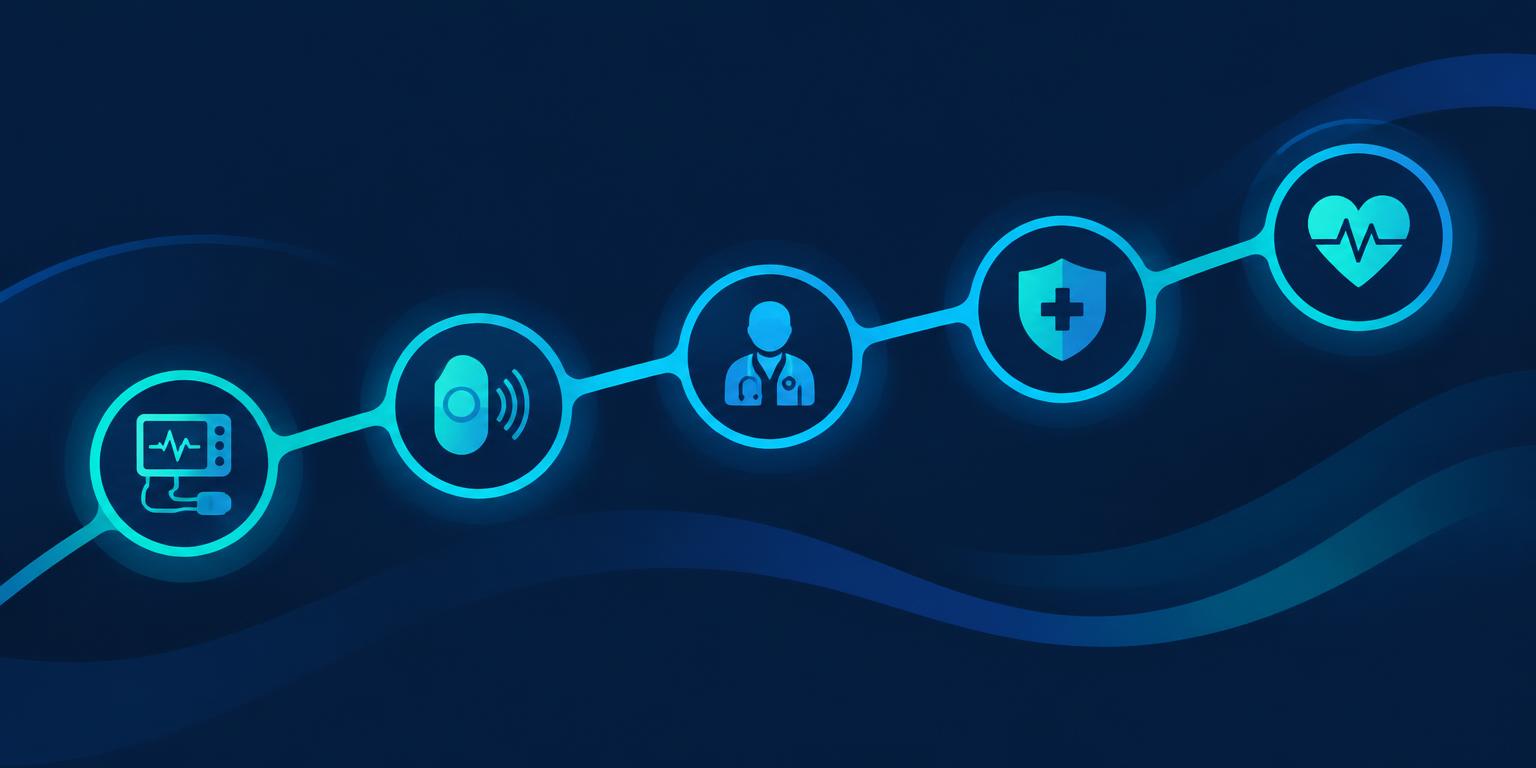
With a device's full lifecycle in mind, our five-phase advisory system covers governance readiness, vendor assessment, scoring, pilot execution and ongoing surveillance across clinical, technical and operational domains.
 Phase 1
Governance Readiness
Hover or tap for detailsPhase 1Governance Readiness
Committee formation, readiness assessment and policy design, so the organization is prepared to evaluate and own AI before any vendor conversation.
Who: Executive sponsor, clinical, IT, compliance and finance leads
Outcome: A chartered AI governance committee, readiness baseline and procurement policy
 Phase 2
Market Assessment
Hover or tap for detailsPhase 2Market Assessment
Use case prioritization, evidence review and vendor screening to focus on the problems worth solving and the solutions worth evaluating.
Who: Procurement, clinical and IT leads
Outcome: Prioritized use cases and a vetted vendor short list
 Phase 3
Evaluation & Scoring
Hover or tap for detailsPhase 3Evaluation & Scoring
Clinical, technical and operational scoring for procurement decisions, combined into a 100-point Procurement Readiness Score.
Who: Cross-functional evaluation committee with Cahir
Outcome: Domain scores and a preliminary PRS for each short-listed solution
 Phase 4
Pilot & Decision
Hover or tap for detailsPhase 4Pilot & Decision
Real-world pilot oversight, final PRS and negotiation support, so the purchase decision rests on performance in your own setting.
Who: Clinical champions, IT, legal and procurement
Outcome: Final PRS Report, Procurement Recommendation Memo and negotiated terms
 Phase 5
Post-Deployment
Hover or tap for detailsPhase 5Post-Deployment
Monitoring, governance reviews, incident response and lifecycle accountability after go-live.
Who: AI governance committee, quality and clinical leads
Outcome: Ongoing oversight and reusable governance assets for future purchases
How scoring works: the Procurement Readiness Score
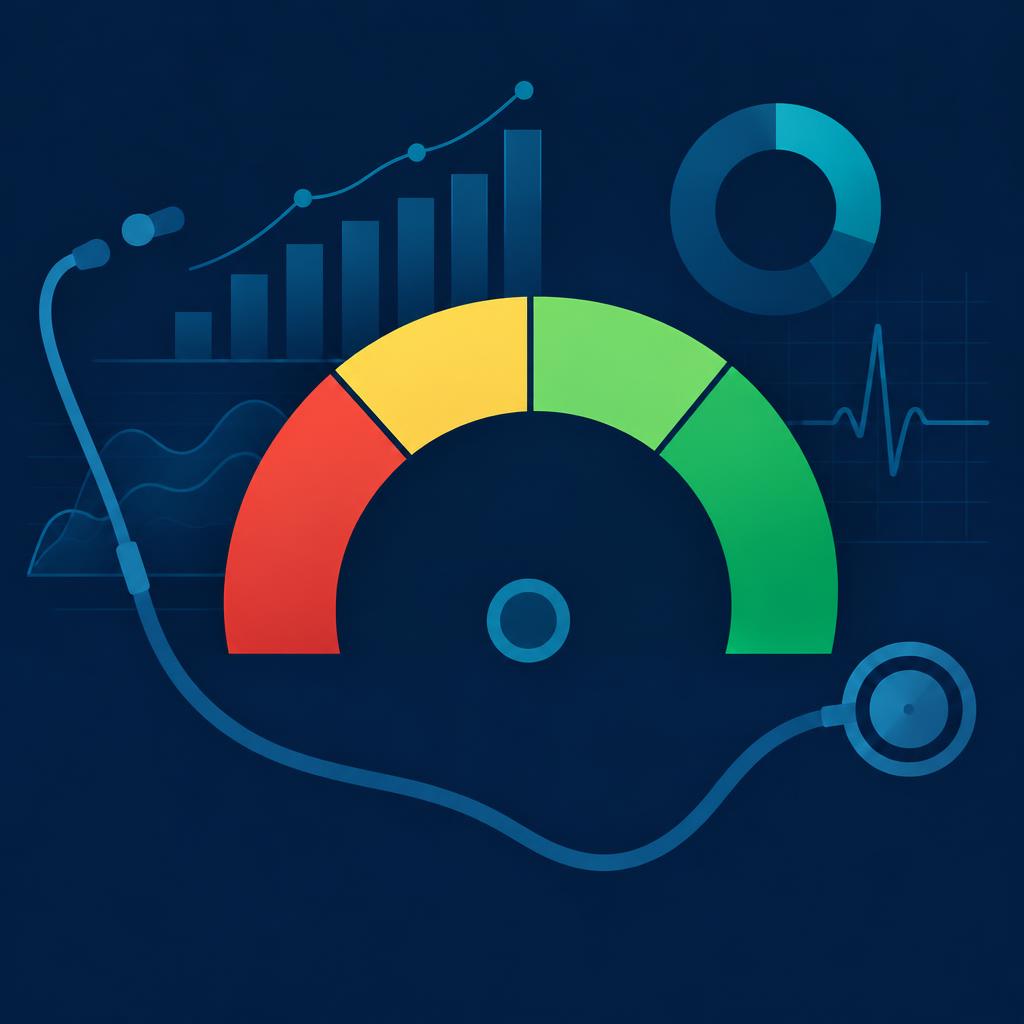
Each domain is scored with clear rubrics, weighted, and combined into a 100-point PRS that places a solution in one of three bands.
Ready
Strong evidence across all three domains; proceed to contracting.
Conditional
Promising, with named gaps to close before or during contracting.
Not ready
Material gaps; pause, re-scope or consider alternatives.
Three weighted domains, one 100-point score
Clinical
Evidence of safety, effectiveness and fit for your patients and workflows.
Sample questions
- 1Was performance validated on a population similar to ours?
- 2What is the device's FDA or CE status, and for which intended use?
- 3How are false positives and false negatives surfaced to clinicians?
Technical
Security, privacy, interoperability and how the model is maintained over time.
Sample questions
- 1Does the vendor provide an SBOM and a vulnerability disclosure process?
- 2How will model updates be controlled (for example, under an FDA PCCP)?
- 3Which interoperability standards (such as HL7 FHIR) are supported?
Operational
Total cost, workflow impact, training, support and vendor viability.
Sample questions
- 1What is the full multi-year cost, including integration and staffing?
- 2Who owns monitoring and escalation after go-live?
- 3What happens to our data if the contract ends?
Full scoring rubrics and question banks are provided in an engagement.
Frameworks we align to
Our criteria draw on leading security, privacy, quality and AI governance references. Alignment does not imply endorsement by these bodies.
Who it's for
Health systems & buyers
Evaluate AI devices with a transparent, defensible process before you sign.
Schedule a consultDevice innovators
Learn what buyers will ask so your product is procurement-ready before the first sales call.
Explore AI/ML PCCP guideBusiness partners
Use a shared language for AI device value, risk and oversight with your clients.
Contact usSample deliverables
Procurement Readiness Score Report
- Executive summary and PRS band
- Domain scores and key evidence
- Gaps and conditions to close
Outline only — full report delivered in an engagement
Procurement Recommendation Memo
- Recommendation and rationale
- Contract terms to require
- Post-deployment monitoring priorities
Outline only — full report delivered in an engagement
Frequently asked questions
What is an AI medical device evaluation framework?
It is a structured, repeatable way to decide whether an AI-enabled medical device is safe, effective, secure and worth the investment for your organization. Instead of relying on vendor demos, it gathers evidence across clinical, technical and operational domains and turns it into a documented recommendation.
What is the Procurement Readiness Score (PRS)?
The PRS is a 100-point composite score that combines weighted clinical (40%), technical (35%) and operational (25%) domain scores. It places a solution in a Ready, Conditional or Not ready band so leaders can make a transparent, defensible decision.
Who should use this framework?
Health systems, clinics, payers, government agencies and any organization considering AI-enabled medical devices. Device companies also use it to understand what buyers will ask and to become procurement-ready before sales conversations.
Does FDA clearance mean an AI device is ready to buy?
No. Clearance confirms the device met regulatory requirements for its intended use. It does not confirm performance on your patient population, fit with your workflows, cybersecurity posture in your environment or total cost of ownership. Those are the questions a procurement evaluation answers.
Which standards does the framework draw on?
It aligns with widely used references such as the NIST AI Risk Management Framework, HIPAA, FDA guidance on AI-enabled devices and PCCPs, ISO 13485 and ISO 14971, the EU AI Act, GDPR and SOC 2. Alignment means we draw on these references; it does not imply endorsement by any of these bodies.
What do we receive from an engagement?
Typical deliverables include a Procurement Readiness Score Report and a Procurement Recommendation Memo, along with the scoring rubrics, evidence requests and monitoring plan tailored to your organization.
Key business value drivers
The return on a structured evaluation
The five-phase framework turns AI procurement into measurable results: less risk before capital is committed, better enterprise-wide decisions, and value that lasts after go-live.

1. Reduce risk
Screen out weak-fit solutions before capital is committed.
Avoided loss
- Fewer failed deployments
- Fewer hidden-cost contracts
- Lower remediation risk
2. Improve decisions
Bring IT, clinical, compliance, operations and finance perspectives together for enterprise-wide decisions.
Growth & value
- Faster, confident decisions
- Stronger realization of clinical and operational benefits
3. Preserve value
Maintain compliance, equity and accountability across transitions, even after go-live.
Sustainability
- Governance assets that support future procurements
- Lower marginal effort for each new evaluation
You need more than AI vendor demos.
Supercharge your AI procurement with a structured, transparent path to successful AI device procurement and adoption.